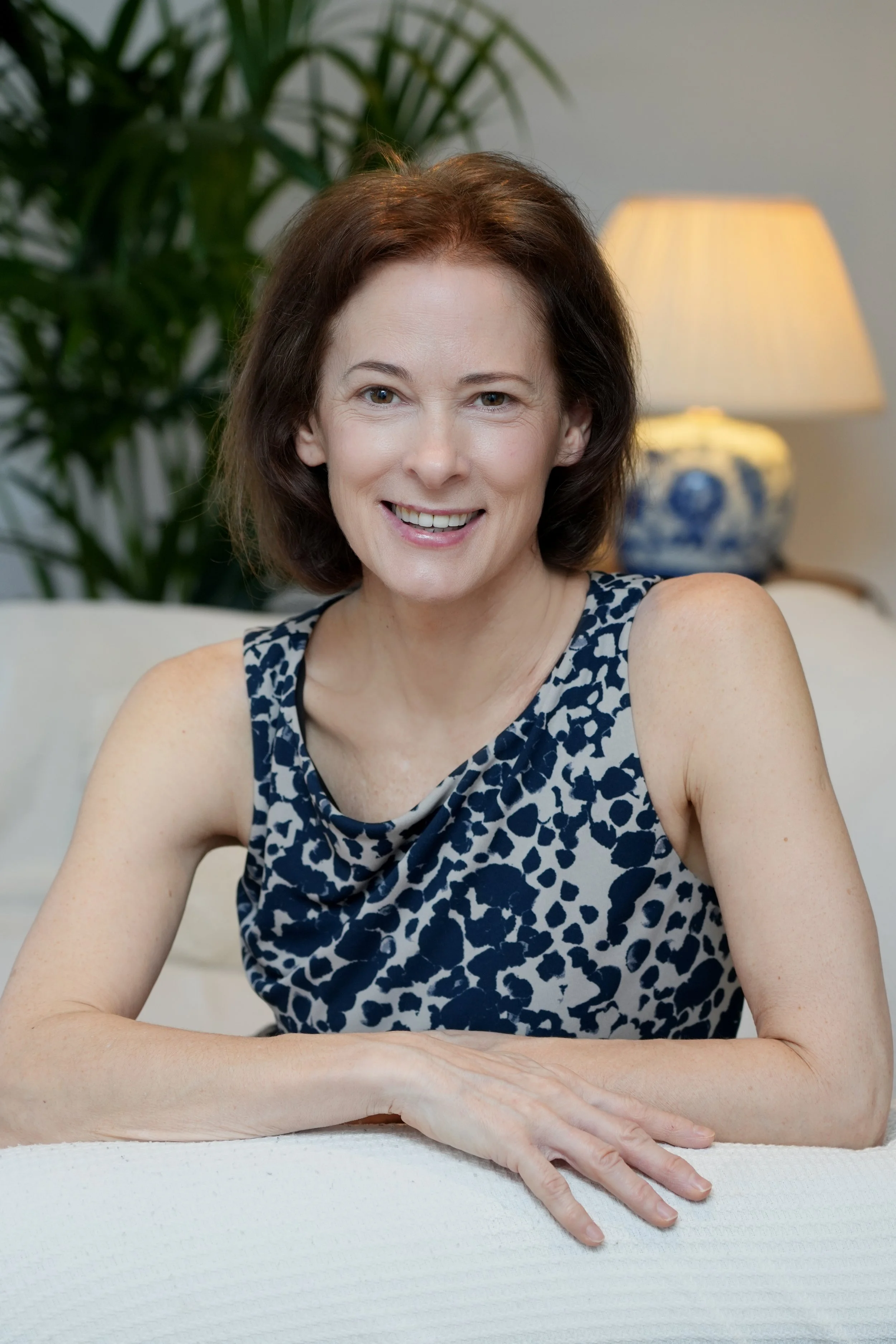
Hi , I’m Clare George
My Approach
It always starts with a thought: what if things could be different?
My approach to change begins with exploration — an instinct to map the landscape, understand what is really happening and see where the possibilities lie.
From there, I look for a pathway through the complexity: something practical that turns possibility into action and small changes into transformation over time.
Change for good.
Mapping the landscape: Finding the possibility for change.
I have always been fascinated by how people change — how our environments, experiences, relationships and everyday behaviours shape who we become, and how seemingly small changes can alter the direction of a life.
My instinct when faced with complexity is to explore the landscape first: to look for patterns and connections, understand the wider system and identify where change might make the greatest difference.
Then I make it practical.
That way of thinking sits behind Health Pension.
Development is all
My background spans psychology, human and social development, health behaviour, education and systems thinking.
My first degree in Psychology began a lifelong interest in human development. Years spent living, working and travelling internationally broadened that lens and developed my interest in the influence of culture, community and environment on how people live and flourish.
I later completed an MSc in Social Programme Development, exploring how sustainable change can be designed within complex human systems.
One principle from that work has remained central to everything I've done since:
Good solutions begin with the lived experience of the people they are intended to serve.
From development to health
My own experience of long-term illness brought those ideas much closer to home and sparked a deeper interest in the cumulative effect of everyday behaviour: the things we repeatedly do, the environments we create around ourselves and the small choices that, over months and years, become our lives.
That interest led to an MSc in Health Psychology and professional work in health behaviour change.
I am a Graduate Member of the British Psychological Society and have coached or personally supported around 6,000 people across NHS, primary-care, community-health and social-care settings.
My work has included NHS Diabetes Prevention Programme metabolic-health coaching, supporting older adults through primary care, community health programmes and approximately 700 frontline adult social-care visits.
More recently, I trained as a secondary-school teacher, achieving Qualified Teacher Status (QTS). Working directly with young people has extended that experience across the lifespan and reinforced something I have observed repeatedly: our health, identity, relationships and behaviours are never separate from the environments and systems in which we live.
Learning from real lives
Together, these experiences have given me thousands of windows into ordinary people's lives.
I've seen that health is shaped by far more than disease or medical care. It is influenced by movement, food, relationships, environment, confidence, purpose, identity, community and the structures of everyday life.
And I've become particularly interested in what happens when we stop looking only at someone's health today and begin considering its trajectory.
What are today's behaviours gradually building?
Where might that trajectory lead?
And where could relatively small changes now create significantly different possibilities later?
Why Health Pension?
Financial planning routinely asks us to imagine our future selves.
How much will we need? What might we want to do? What kind of later life would we like to afford?
But that future depends upon another form of capital:
the health of the person who eventually gets there.
Health Pension grew from bringing these ideas together.
It draws on psychology, human development, behaviour change, systems thinking and frontline practice to explore a deceptively simple question:
What could we invest in today that might help us live better in the years ahead?
I don't believe sustainable change comes from prescribing the perfect lifestyle or trying to transform everything at once.
I believe in helping people understand their own landscape, recognise where change is possible and make small, intentional investments that can compound over time.
Because we aren't simply investing for longer lives.
We are becoming the people who will live them.
